


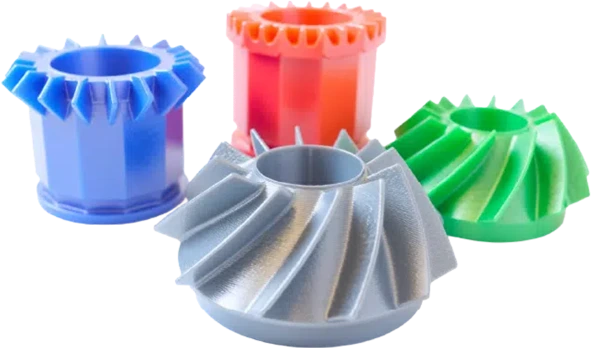
Fused Deposition Modelling (FDM)
Why use Qisiyin for 3D printing?


Instant quotation
Upload your 3D file to receive real-time pricing and manufacturability feedback through our digital quotation platform

Quality assurance
We have obtained international certifications such as ISO9001, ISO14001, IATF16949, and ISO27001 for several consecutive years. The establishment and application of the 6S management system provide strong guarantees for the quality of your products.

Online tracking and management of orders
Through the company's self-developed ERP and MES systems, we have established a comprehensive management mechanism to achieve refined production. We can monitor project progress in real-time, ensuring that everything is traceable and safeguarding your project.

700mm*800mm*1050mm
Maximum build size
±0.3mm/100mm
Machining accuracy
7 day
Standard delivery time
FDM printing service
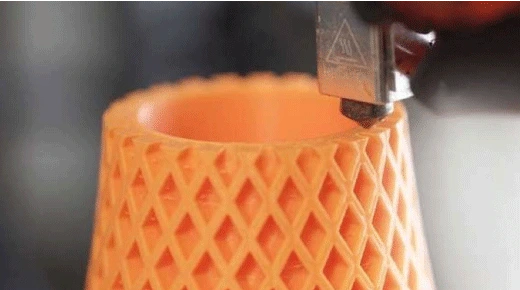
Fused Deposition Modelling (FDM)
Fused deposition modeling (FDM) is a common and widely used 3D printing technology. FDM creates parts by extruding plastic filaments through a nozzle and depositing them layer by layer on a stage. While FDM can achieve high-precision printing of simple parts, due to process limitations, any overhanging features require support material and must be removed after printing. Therefore, more complex parts with overhanging structures tend to have slightly lower precision.

Advantages of FDM Printing

Wide range of printing materials
Its high precision, wide range of materials, and short production cycle make it highly favored in industrial production and processing.

Processing complex geometric shapes
3D printing technology breaks through traditional limitations, enabling integrated design and manufacturing. Complex geometric shapes can be constructed more easily without increasing costs.

Ideal for functional parts and prototypes
3D printing technology can produce functional end-use parts according to requirements, thereby improving project progress.

Short production cycle, quick and cheap
Compared with traditional mold processing methods, 3D printing technology can produce directly without the need for mold making, saving the time of mold making and significantly improving production efficiency.

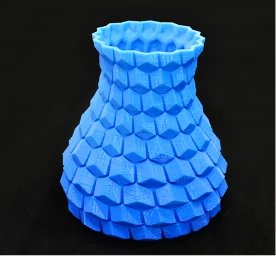
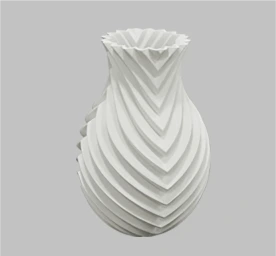
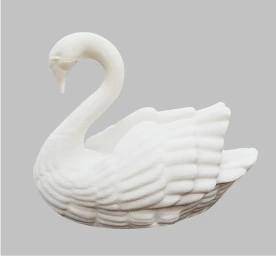
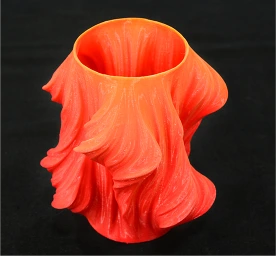
FDM
3D Printing
Applications of FDM 3D Printing
FDM is a good choice for prototyping and small-batch production of parts that require specific materials. FDM can print on a wide range of materials, including ABS, PC, and even performance materials such as Ultem and nylon, as well as wood-plastic composites. It offers endless possibilities for crafts.
FDM 3D Printing Tips
Generally, FDM printing parts can be printed well when the hanging angle is 30-150°, without the need for additional supports. Rounding is an important way to avoid support in certain parts of the model, and in most cases this method will work. However, remember that horizontal extensions exceeding 2mm still require support structures. In addition, FDM printing can set the filling rate in the programming slicing software, eliminating the need for manual hollowing to reduce the weight of the product. Moreover, the hollowing is supported by a grid, and the strength is guaranteed.
3D Printing Materials
- 1
3DPrinting Post-processing
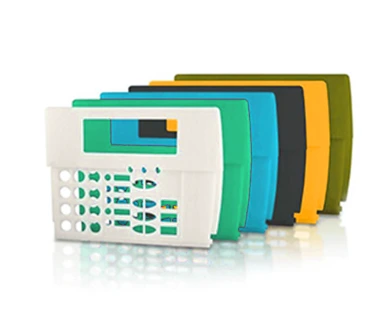
Spray paint
Painting the surface of parts can improve their aesthetic appearance and enhance brand awareness among consumers. Furthermore, painting may provide a protective effect on the parts.
View more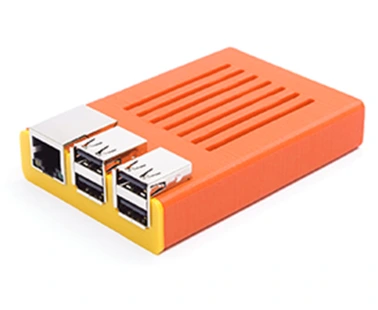
Polish
The process of creating a smooth and glossy surface through physical friction or chemical interference of parts produces a surface with significant specular reflection, but diffuse reflection can be reduced in certain materials.
View more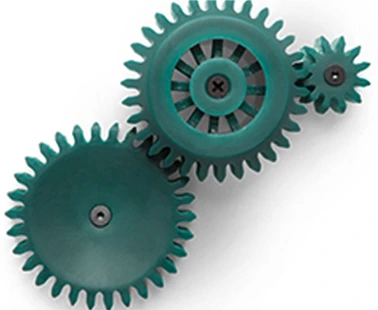
Sandblasting
It gives the surface of the part a smooth yet textured finish, primarily for visual applications, after which other surface treatments can be applied.
View more