



Which material is the most suitable for industrial applications?

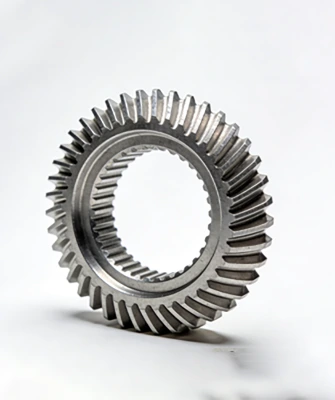
Steel and Stainless Steel
It’s strong, machinable, and relatively low in cost. Oil and gas fields, for example, often favor stainless steel for its corrosion resistance. Superalloys such as 3D-printed Inconel are an alternative for demanding applications.
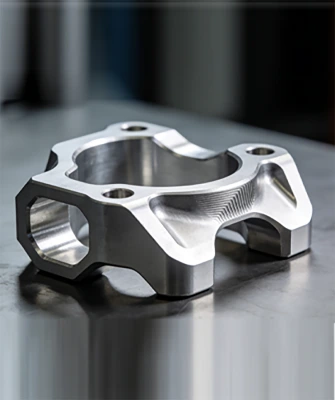
Aluminum
Though there is less concern with the component weight of industrial equipment and machinery, aluminum is often a metal of choice because of its excellent machinability and lower overall manufacturing cost.
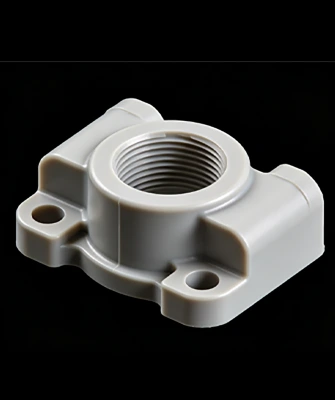
Thermosets and Thermoplastics
Liquid silicone rubber and other elastomers are widely used for applications requiring fuel-resistant parts while high-performance thermoplastics such as PEEK and PEI (Ultem) can serve as stand-ins for metal in some situations.

Commodity Plastics
As companies retrofit existing equipment with computer electronics to meet connectivity demands, a large range of versatile and affordable thermoplastics can be leveraged.
Common Applications
We have several capabilities within our services and processes ideal for industrial. A few common applications include:
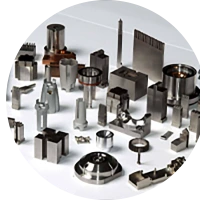
Machine and tool parts
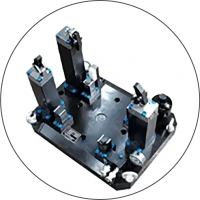
Jigs and fixtures
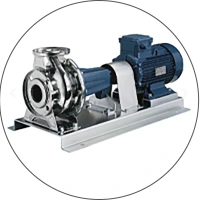
Pumps and accessories
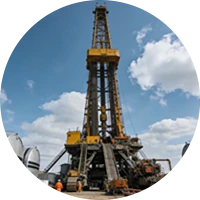
Oil and gas extraction equipment
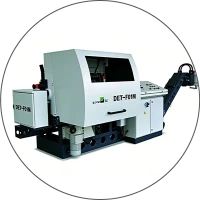
General industrial machinery
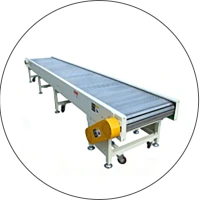
Conveyors and conveying equipment
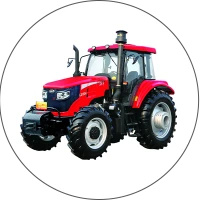
Tractors, bulldozers
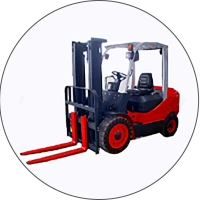
forklift
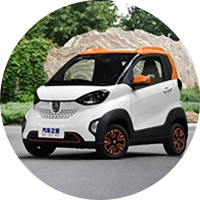
Personal vehicle
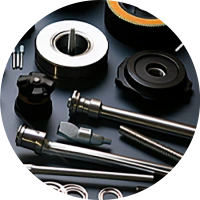
The components of the equipment
Today, industrial equipment and machinery manufacturers find themselves in two worlds. They enthusiastically embrace digital connectivity, using sensors and actuators and other functions to exchange critical data with other machines and computer networks. At the same time, many of these companies also have to provide maintenance and support for a large number of existing equipment and machinery, which have long lifespans and may have been in use for decades. From agricultural machinery OEMs and industrial truck and tractor manufacturers to oilfield machinery and other industrial equipment manufacturers, through digital manufacturing, companies can enter the digital age without having to abandon existing equipment.