



What is Vacuum Casting?

Vacuum casting is a rapid manufacturing process used to produce high-quality polyurethane parts from silicone molds. It is ideal for functional prototypes and low-volume production, delivering excellent surface finishes, fine details, and production-like performance at a lower tooling cost than injection molding.

Create the Master Pattern
A master pattern is produced using CNC machining or 3D printing to serve as the template for the silicone mold.
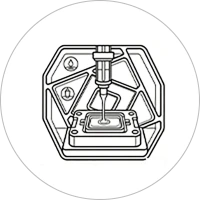
Silicone Mold Making
Liquid silicone is poured around the master pattern and cured. Once hardened, the mold is cut open to remove the master, creating a reusable silicone mold.

Vacuum Casting
Polyurethane resin is poured into the silicone mold under vacuum, eliminating trapped air and producing dense, accurate parts with excellent surface quality.
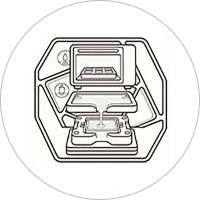
Curing & Demolding
The mold is cured in an oven before the finished part is removed. Each silicone mold typically produces 15–20 high-quality castings, making the process ideal for low-volume production.
Advantages of Vacuum Casting
Fast Turnaround
Produce high-quality prototype and low-volume parts within 15 days. Vacuum casting enables rapid production without long tooling lead times.
Excellent Surface Finish
Vacuum casting accurately replicates master model details, delivering smooth surfaces, fine textures, and injection-molding-like finishes.
Cost-Effective Low-Volume Production
Low-cost silicone molds reduce tooling investment, making vacuum casting ideal for prototypes and small-batch manufacturing.
Wide Range of Color Options
Custom pigments can be added to polyurethane resins to achieve different colors, appearances, and functional requirements.
Large Part Capability
Vacuum casting supports the production of large and complex parts with excellent accuracy and consistent quality.
Consistent Repeatability
Silicone molds can produce multiple identical parts while maintaining reliable quality and dimensional consistency.
Video display
Vacuum Casting Materials
Select from various polyurethane materials to achieve the desired strength, flexibility, appearance, and performance for your parts.
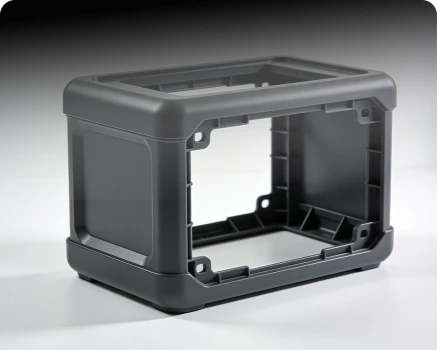
ABS-Like
ABS-Like polyurethane resin simulates ABS thermoplastics with excellent strength, durability, and surface quality. Ideal for housings, enclosures, and functional prototypes.
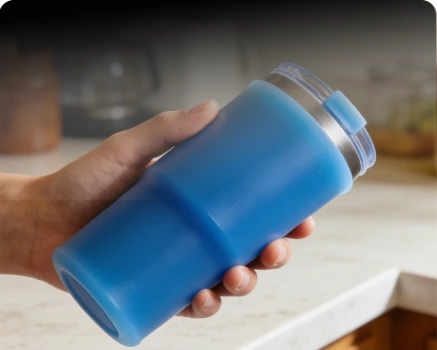
Opaque Elastomer
Flexible polyurethane resin designed to simulate rubber-like materials. Available in multiple Shore hardness levels for seals, grips, gaskets, and soft-touch parts.
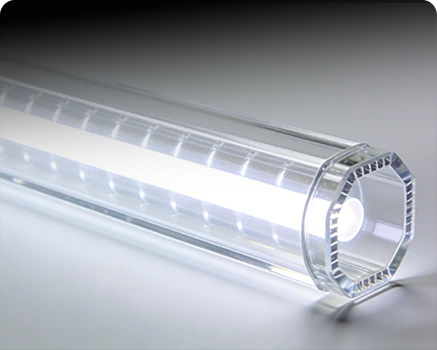
Acrylic-Like
Transparent polyurethane resin that simulates PMMA acrylic, offering excellent optical clarity for lenses, light pipes, and display components.
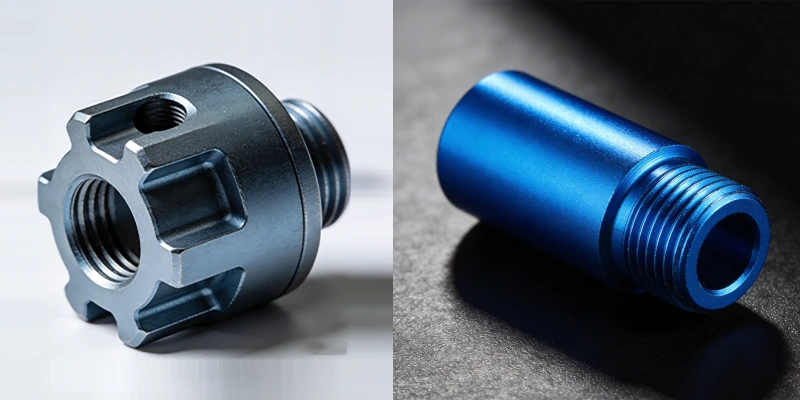
Vacuum Casting Surface Finishes
Surface finishing improves the appearance, texture, and performance of vacuum cast parts. Choose from multiple options to achieve the desired look and functionality.