



What is Die Casting?

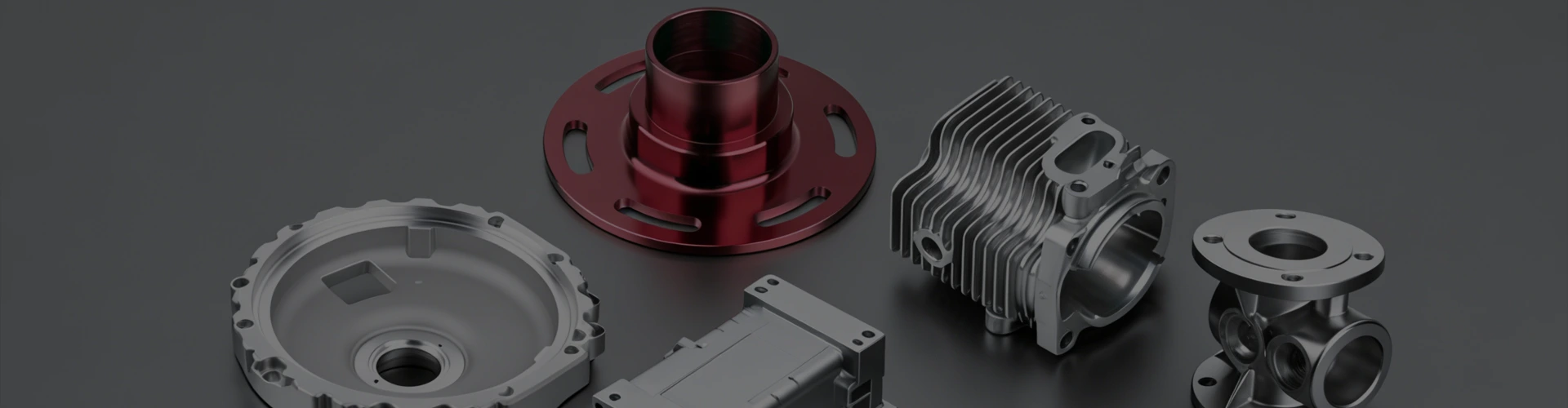
Die casting is a metal manufacturing process that injects molten metal under high pressure into a reusable mold cavity to produce precise, complex, and durable metal components. Similar to injection molding, this process enables high repeatability and excellent dimensional accuracy for large-scale production.
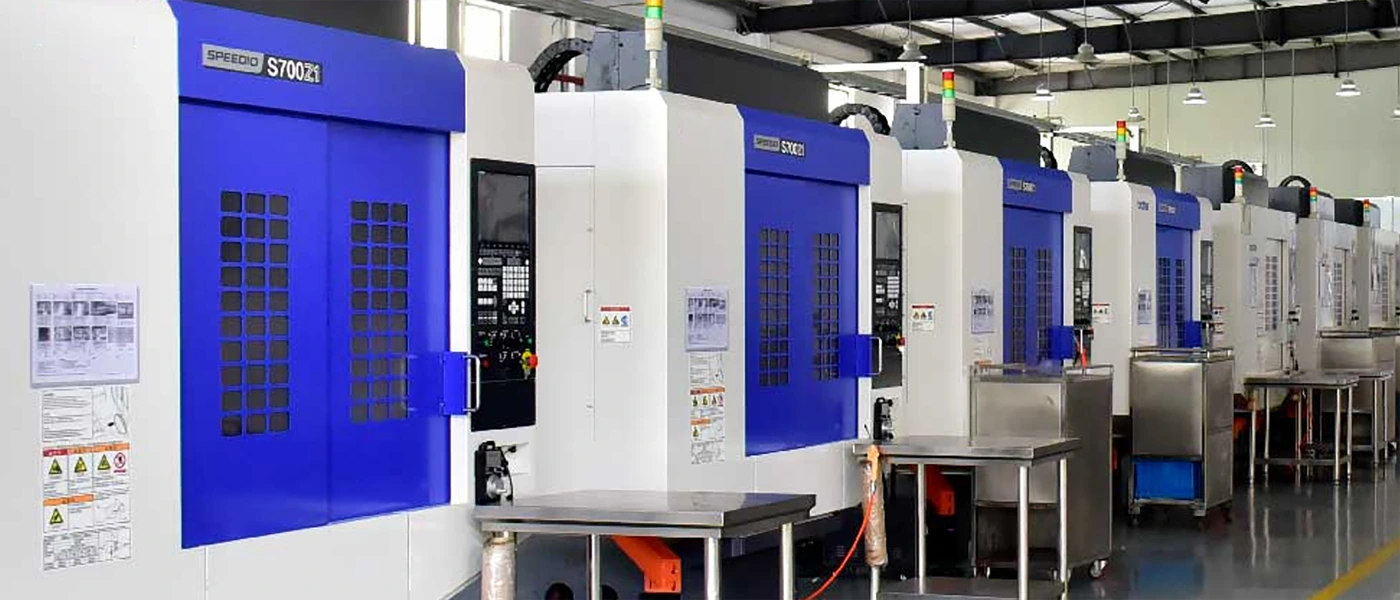
At QSY, we provide custom die casting services using advanced equipment and precision tooling to manufacture high-quality parts from aluminum, zinc, and magnesium alloys. Our die casting solutions support rapid prototyping, low-volume production, and mass manufacturing with reliable quality, competitive costs, and consistent performance.
Our Die Casting Processes Services
Hot-Chamber Die Casting
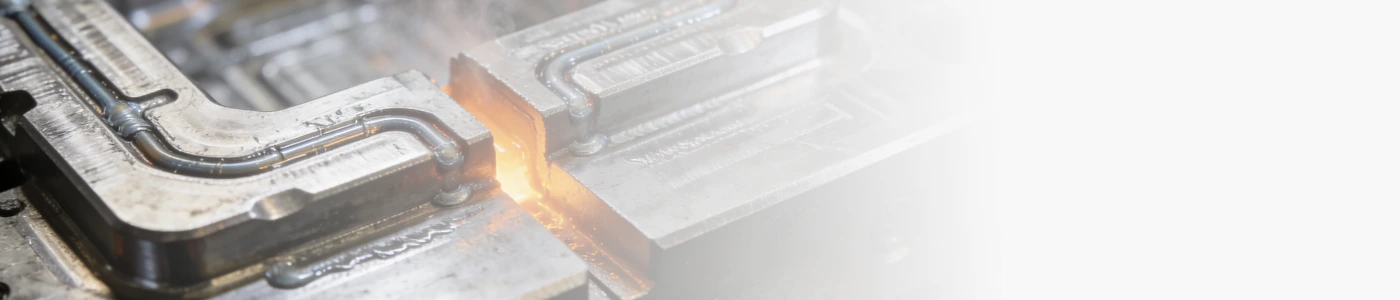
Hot chamber die casting is commonly used for low-melting-point alloys such as zinc and tin. The metal is melted inside the machine and injected directly into the mold under high pressure. It provides fast cycle times, excellent repeatability, and smooth surface finishes for high-volume production.
Cold-Chamber Die Casting
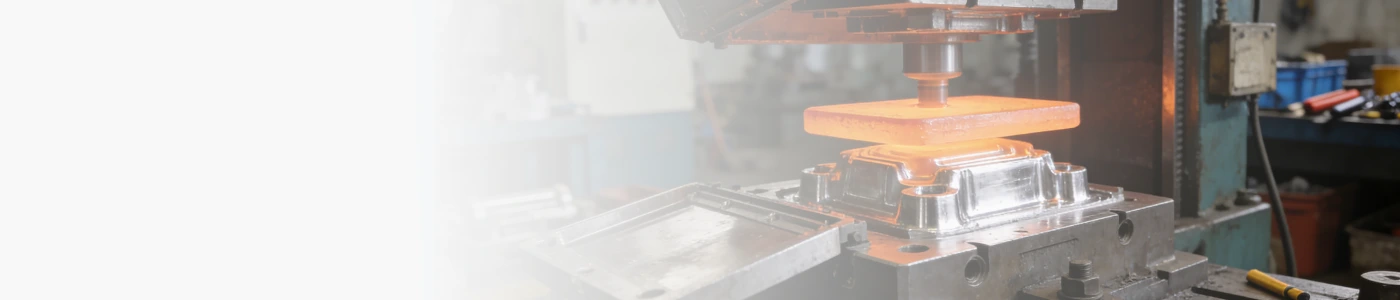
Cold chamber die casting is ideal for high-strength alloys such as aluminum and magnesium. Molten metal is transferred into a separate injection chamber before being injected into the mold. This process produces durable, precise components for automotive, industrial, and consumer applications.
Advantages and Considerations of Die Casting

Fast production cycles
Die casting enables high-speed production with short cycle times, ideal for medium to high-volume manufacturing.
Complex part production
Produces complex geometries with thin walls and tight tolerances.
Excellent surface finish
Creates smooth surfaces with fine details, reducing additional finishing requirements.
High repeatability
Ensures consistent quality and reliable performance across production runs.
Higher tooling investment
Custom dies require upfront investment compared with other manufacturing processes.
Material limitations
Best suited for non-ferrous metals such as aluminum, zinc, and magnesium alloys.
Longer tooling preparation
Die design and manufacturing require additional time before production begins.
Better suited for larger volumes
The process becomes more economical as production quantities increase.
Die Casting Materials
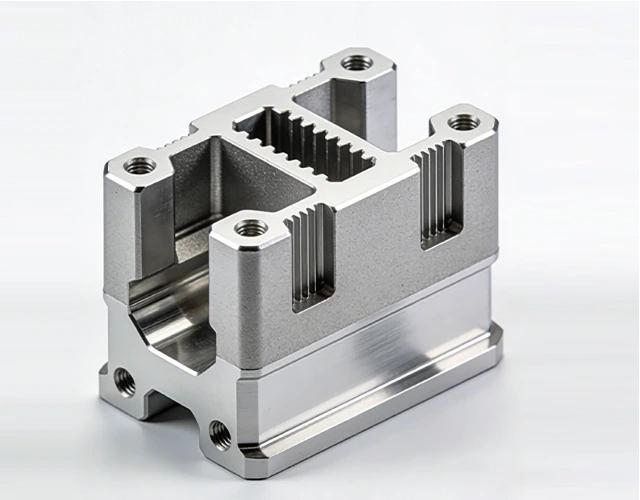
Aluminum alloy
Aluminum alloys are widely used in the die-casting field due to their unique properties. Alloys such as 380, 360, 390 and 413 have high working temperatures, excellent corrosion resistance, low density, outstanding strength and good thermal conductivity. In addition, aluminum alloys also have good stiffness, a good strength-to-weight ratio, EMI and RFI shielding performance, and recyclability. They can also withstand high temperatures and maintain the dimensional stability of thin walls.
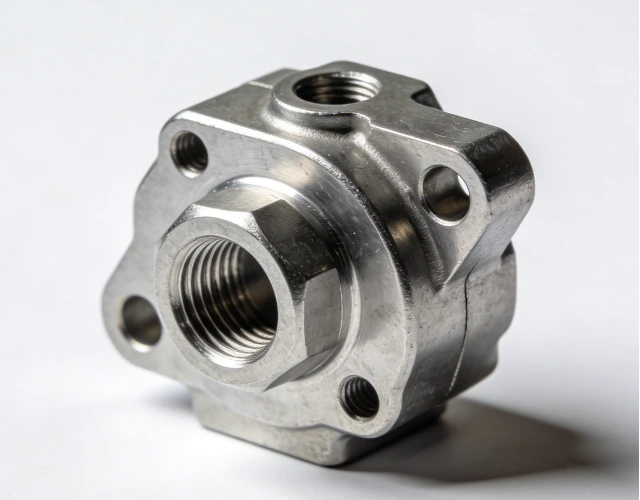
Zinc Alloys
Zinc alloys, including Zamak #2, #3, #5, #7, ZA8, and ZA27, offer a balance of strength, toughness, firmness, and cost-effectiveness. These alloys are known for their improved castability, shortened cycle time, and extended die life. The mechanical qualities of zinc alloys rival and exceed other common die-casting materials such as aluminum, magnesium, and bronze. Their exceptional casting fluidity contributes to thin-wall castability, resulting in smaller, lighter, cost-effective components.
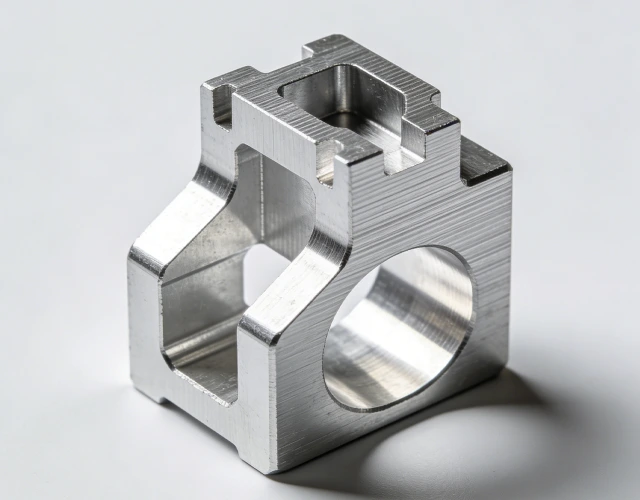
Magnesium Alloys
Magnesium, particularly the AZ91D alloy, stands out for its toughness, durability, lightweight nature, and good castability. With a weight 75% lighter than steel and 33% lighter than aluminum without compromising strength, magnesium alloys are preferred for applications requiring complex casting with tight tolerances. The material’s excellent corrosion resistance further enhances its appeal.
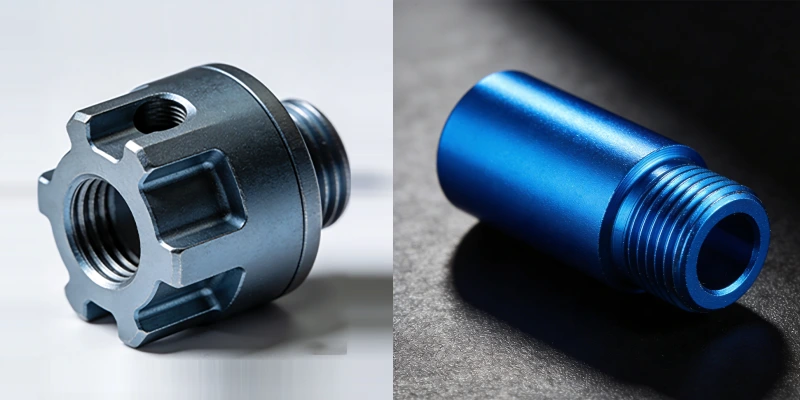
Die Casting Surface Finishes
Surface finishing improves the appearance, texture, and performance of vacuum cast parts. Choose from multiple options to achieve the desired look and functionality.
Video display