


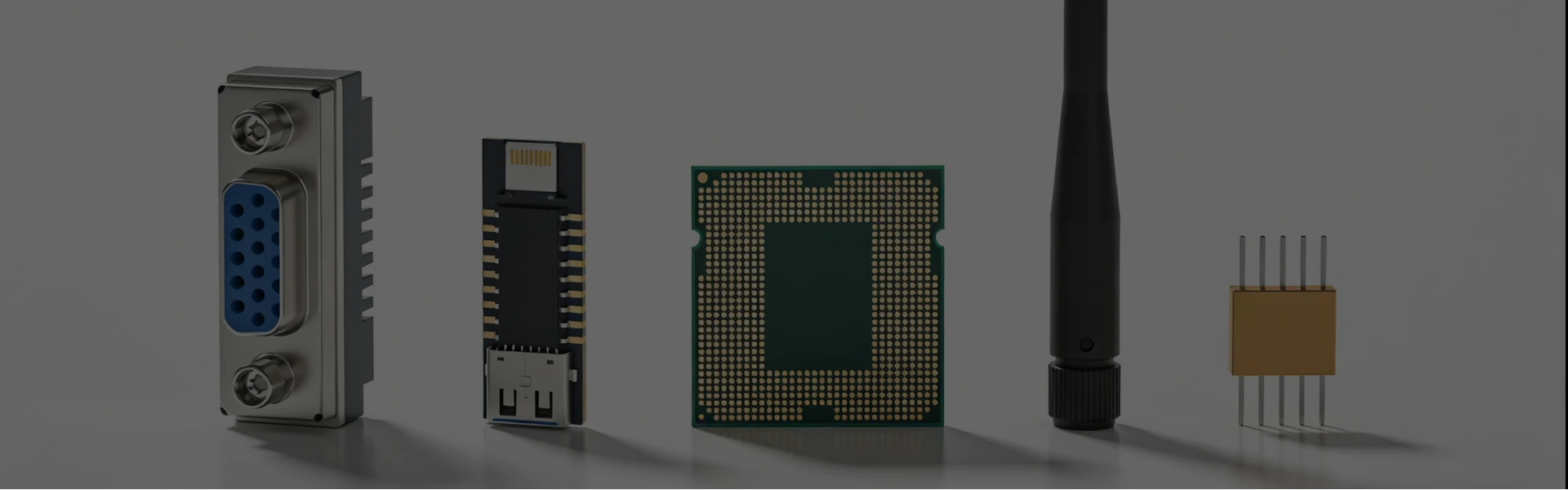

What Materials Work Best for Consumer andComputer Electronic Components?

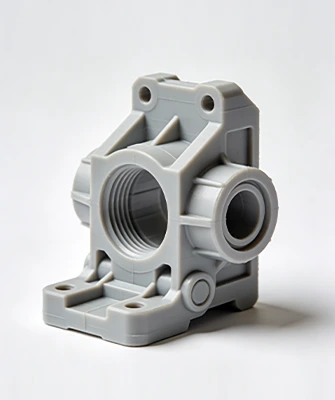
ABS
This reliable thermoplastic is widely used in industries like consumer electronics. It brings general-purpose performance for parts like electronics enclosures and handheld devices, and is also relatively inexpensive.
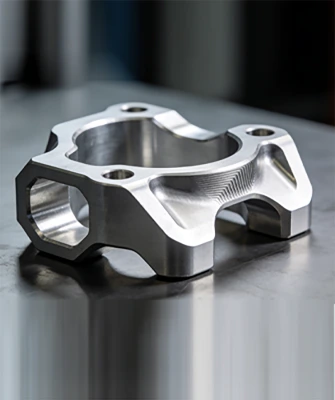
Aluminum
This material can be machined or formed through sheet metal fabrication to create housings, brackets, or other metal parts that need high strength and low weight are required.
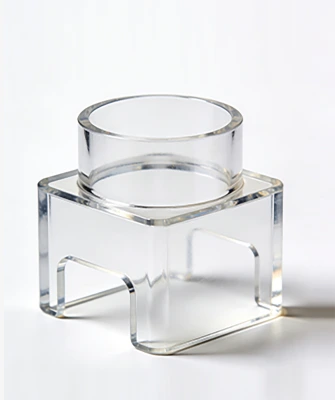
Polycarbonate
This strong and extremely impact resistant thermoplastic has a low shrink and good dimensional stability. It’s a transparent plastic that is available in optically clear grades, which works well for transparent covers and housings.
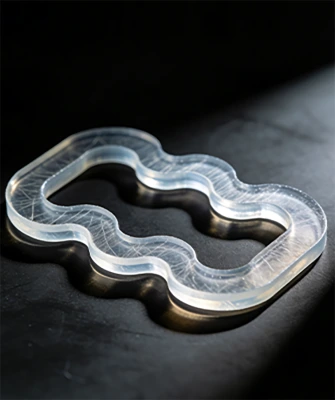
Elastomers
Available in both 3D printing and injection molding, choose from several elastomeric materials for parts that need impact resistance or flexibility. Overmolding is also available for components and products with ergonomic grips, buttons, or handles.
COMMON APPLICATIONS
We have several capabilities within our services and processes catered to the consumer and computer electronics industries. A few of common applications include:
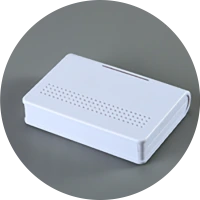
Housings
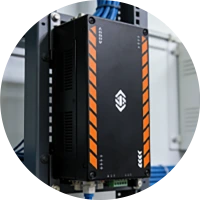
Fixtures
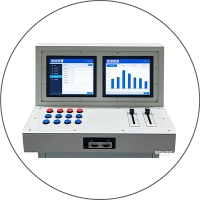
Consoles
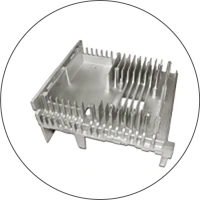
Heat sinks
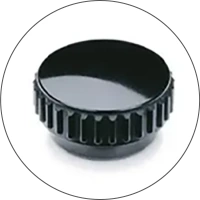
Knobs

Handles
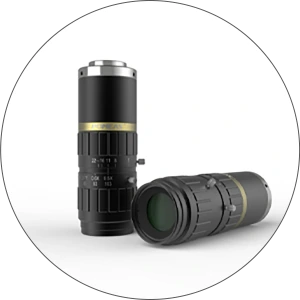
Lenses
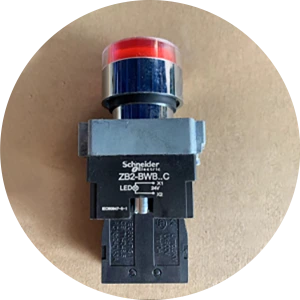
Buttons

Switches
Development speed and a well-designed, user-centric final product are critical to the success of companies launching consumer and computer electronic products and devices to different markets. Technology-enabled manufacturing processes can accelerate design cycles, lower development costs, and help support more SKUs and product customization that consumers now demand. From airplanes to automobiles to hospitals, electronics can be found nearly everywhere delivering value through advanced features and improving user experiences.