


China CNC Machining and OEM Parts Supplier: A Buyer’s Guide
A China CNC machining and OEM parts supplier helps businesses manufacture custom components according to their designs, material requirements, and technical specifications. These suppliers serve industries such as automotive, robotics, industrial equipment, electronics, and consumer products.
For overseas buyers, choosing the right supplier involves more than comparing unit prices. Machining capabilities, material expertise, dimensional accuracy, quality control, and the ability to support repeat orders are all important factors.

What Can a China CNC Machining and OEM Parts Supplier Provide?
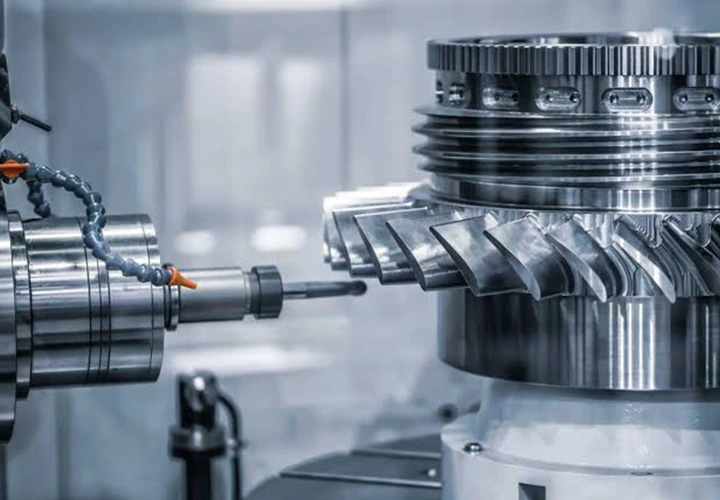
CNC machining uses computer-controlled equipment to remove material from a workpiece and produce parts with specified dimensions and geometries. Depending on the equipment and manufacturing capabilities available, a supplier may offer several processes.
CNC milling: Suitable for housings, brackets, plates, fixtures, and components with complex features.
CNC turning: Commonly used for shafts, bushings, threaded components, and cylindrical parts.
Multi-axis machining: Helps manufacture complex geometries and features from multiple orientations.
Precision metal and plastic machining: Supports custom components made from aluminum, stainless steel, brass, engineering plastics, and other suitable materials.
An OEM parts supplier manufactures components to the buyer’s design and specifications. Services may include material sourcing, machining, finishing, inspection, and packaging. Some suppliers also coordinate prototyping and low-volume production before scaling up.
The exact service scope varies by manufacturer, so buyers should confirm which processes are performed in-house and which are outsourced.
What Is the Difference Between a CNC Machining Supplier and an OEM Parts Supplier?
A CNC machining supplier focuses on producing parts using CNC equipment. An OEM parts supplier describes a broader role: manufacturing components or assemblies according to an original equipment manufacturer’s requirements.
A company can serve both roles. For example, a CNC machining manufacturer may produce custom aluminum housings, stainless steel shafts, or precision plastic components for an OEM’s equipment.
For buyers seeking a long-term manufacturing partner, the key question is whether the supplier can consistently meet technical requirements, maintain quality across repeat orders, and support the project as product demand changes.
How to Choose a Reliable CNC Machining Supplier in China
1. Evaluate Manufacturing Capabilities
Check whether the supplier can manufacture your part geometry, size, material, and required tolerances. Ask about available milling and turning processes, machining capacity, finishing options, and experience with similar components.
A supplier should review the part drawings and identify potential manufacturing challenges before production begins.
2. Check Quality Control Procedures
Quality control should be based on the part’s specifications and intended application. Ask how the supplier verifies critical dimensions, manages nonconforming parts, and maintains consistency between production batches.
For demanding projects, clarify inspection requirements, measurement reports, material documentation, traceability, and any applicable quality standards before ordering.
3. Confirm Material and Surface Finishing Options
Material selection affects strength, weight, corrosion resistance, machinability, and cost.
Common options include aluminum for lightweight components, stainless steel for corrosion resistance, brass for selected fittings and electrical components, and engineering plastics such as POM, PEEK, and nylon for specific mechanical or chemical requirements.
Surface treatments such as anodizing, passivation, bead blasting, and plating may be appropriate depending on the material and application. Confirm availability and specifications with the supplier.
4. Compare Total Cost, Not Just Unit Price
CNC machining quotations may include material, programming, setup, machining time, tooling, inspection, finishing, and packaging. Shipping, duties, and other import-related costs may also affect the final landed cost.
A low quotation is not necessarily the most economical choice if it excludes required finishing, inspection, or other essential operations.
To compare suppliers fairly, provide the same drawings, material specifications, tolerances, surface finish requirements, and quantities to each candidate.
5. Assess Repeat-Order and OEM Support
For ongoing OEM projects, consistency matters as much as the first successful batch.
Discuss how the supplier controls revisions to drawings, records approved specifications, manages repeat orders, and communicates changes that could affect quality or delivery.
It is also useful to understand the supplier’s capacity planning, lead-time assumptions, and process for resolving quality issues.
What Affects the Cost of CNC Machined OEM Parts?
The main cost factors include:
Factor | Effect on cost |
|---|---|
Material | Material price, machinability, and availability affect total cost. |
Part complexity | Complex geometries may require more programming, setups, or machining time. |
Tolerances | Tight tolerances can increase inspection and process-control requirements. |
Quantity | Setup costs can be distributed across more parts in larger orders. |
Surface finishing | Additional treatments add processing steps and cost. |
Lead time | Urgent production may require schedule adjustments or expedited shipping. |
For an accurate quotation, provide a 3D CAD model, 2D engineering drawing, material and finish requirements, order quantity, and expected delivery schedule. Clearly identify critical dimensions and functional requirements.
Which Industries Use Custom CNC Machined OEM Parts?
CNC machined OEM components are used across a wide range of industries.
Automotive: Brackets, housings, shafts, fixtures, and custom mechanical components.
Robotics and automation: Mounting plates, structural components, joints, and precision interfaces.
Industrial equipment: Machine components, adapters, housings, and replacement parts.
Electronics: Enclosures, heat-dissipation components, connectors, and mounting hardware.
Medical equipment: Selected device components and equipment housings, subject to applicable material, cleanliness, documentation, and regulatory requirements.
The required manufacturing process depends on the component’s function, material, tolerances, operating environment, and applicable industry standards.

How to Start an OEM CNC Machining Project
A typical project follows a straightforward process:
Submit CAD files, engineering drawings, and technical specifications.
Confirm material, tolerances, surface finish, quantity, and inspection requirements.
Review manufacturability and receive a quotation.
Approve samples or first-article inspection when required.
Proceed with production and the agreed quality checks.
Review delivery performance and establish repeat-order requirements.
For new projects, starting with a prototype or small batch can help validate fit, function, and manufacturing feasibility before committing to larger quantities.
FAQs
How do I find a China CNC machining manufacturer for OEM parts?
Start by identifying suppliers with the appropriate machining processes, material experience, inspection capabilities, and production capacity. Compare quotations using identical specifications and evaluate how each supplier handles engineering reviews, quality issues, and repeat orders.
Can a China CNC machining supplier handle both prototypes and production orders?
Many suppliers support prototype machining, small batches, and larger production runs. However, available capacity and process suitability vary, so confirm that the supplier can support your expected quantities and delivery schedule.
What files are needed to request a CNC machining quote?
A 3D CAD file and a 2D engineering drawing are ideal. Include material, quantity, tolerances, surface finish, critical dimensions, and any special inspection or documentation requirements.
How can I build a long-term relationship with an OEM parts supplier?
Establish clear specifications, agreed quality criteria, documented drawing revisions, realistic forecasts, and a consistent communication process. Evaluate performance across multiple orders rather than relying on price or a single successful delivery.
Conclusion
A suitable China CNC machining and OEM parts supplier should combine the right manufacturing capabilities with consistent quality control, clear communication, and support for repeat production.
For overseas buyers, the best choice is not necessarily the supplier with the lowest unit price. It is the supplier that can meet the component’s technical requirements, provide transparent quotations, and support the project’s production needs over time.